


-

Add: HeBei ShengShi HongBang Cellulose Technology CO.,LTD.
-

Email
13180486930@163.com -

CONTACT US
+86 13180486930




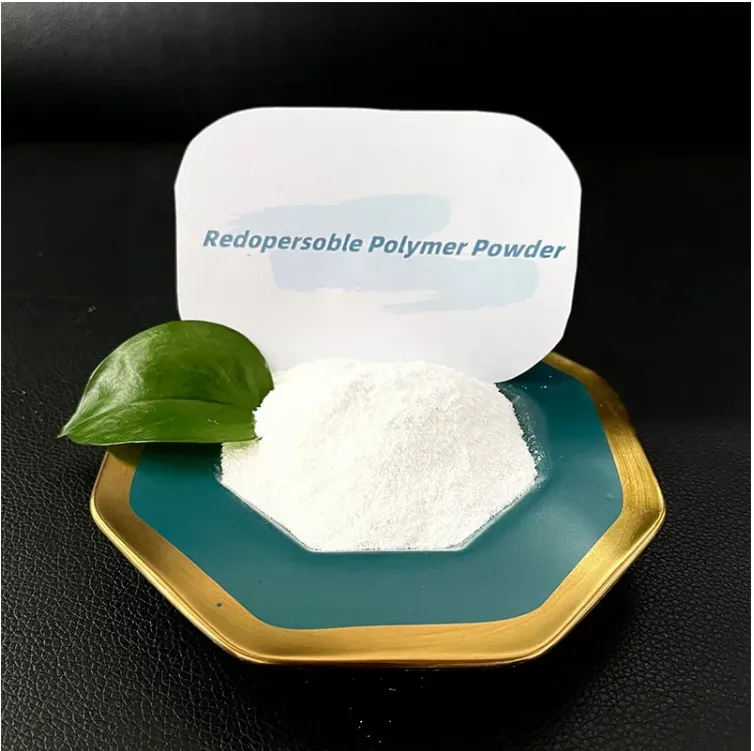
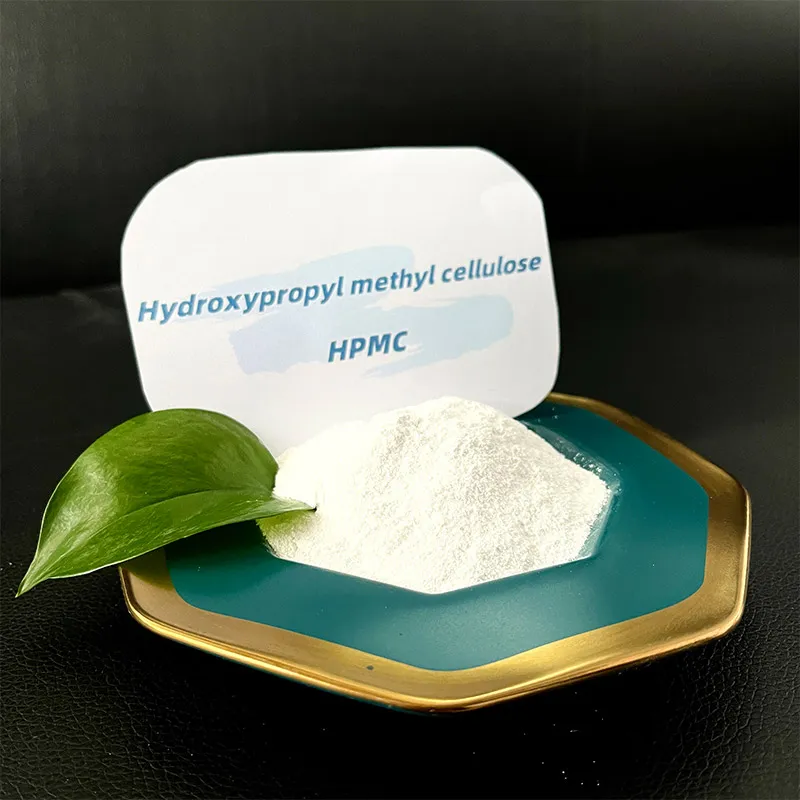
What I’m Seeing in Hydroxypropyl Methyl Cellulose Right Now If you work in dry-mix mortars, pharma tablets, or even detergent pods, you’ve probably bumped into Hydroxypropyl Methyl Cellulose HPMC more than once. It’s a non-ionic cellulose ether—yes, derived from natural cellulose—and it keeps getting more attention as the “quiet” performance enhancer in countless formulations. Honestly, adoption is accelerating across construction chemicals and high-viscosity personal care because of supply stability and cost-to-value. Many customers say the workability gains are immediate; I tend to agree. Origin and who’s behind it From HeBei ShengShi HongBang Cellulose Technology CO., LTD (Room 1904, Building B, Wanda Office Building, JiaoYu Road, Xinji City, Hebei Province). I’ve toured similar facilities; the process is rigorous and surprisingly clean. Their pitch is consistent rheology, tight particle size control, and fast redispersion in cement-alkali environments. How it’s made (short version, no fluff) Materials: refined cotton, NaOH (alkalization), methyl chloride (MC), propylene oxide (PO), purified water. Method flow: alkalization → etherification (MC+PO) → neutralization → washing to remove salts → drying → milling → sieving → packaging. QA/testing: viscosity (Brookfield, 2% w/w, 20°C), methoxyl/hydroxypropyl content, moisture, pH, ash, sieve residue, gel temperature. Service life: ≈24 months in dry, sealed bags; avoid >30°C and humidity. Real-world use may vary. Industries: tile adhesive, EIFS/ETICS, gypsum putty, self-leveling; tablets (binder), ophthalmics, toothpaste; shampoos, detergents, coatings. Product specifications (typical) Parameter Spec (≈) Viscosity (2% w/w, 20°C) 400–200,000 mPa·s (multiple grades) Methoxyl (DS) 19–24% Hydroxypropyl (MS) 4–12% Moisture ≤5% pH (1% sol.) 6.0–8.5 Gel temperature 60–75°C Sieve residue (100 mesh) ≤1% Bulk density 0.30–0.50 g/cm³ Note: measured by Brookfield LV, spindle/time per internal SOP; actual plant results vary with salts and mixing energy. Why formulators pick it Water retention and open time in cement systems (EN 12004 tile standards). Anti-sag, better trowelability; smoother edges on putties. Tablet binding/film formation meeting USP/Ph. Eur. monographs. Electrolyte tolerance; stable viscosity in laundry detergents—surprisingly robust. Vendor snapshot (what buyers compare) Vendor Certs Strength Viscosity Range MOQ HeBei ShengShi HongBang ISO 9001; REACH prereg. Construction focus; cost-value 400–200,000 ≈1 MT Dow (METHOCEL) ISO, GMP sites Global supply, pharma grades Low to ultra-high Varies Ashland (Benecel) ISO, EXCiPACT Tablets, coatings uniformity Wide Varies Applications and quick data Tile adhesive: +0.2–0.35% Hydroxypropyl Methyl Cellulose HPMC → open time +10–15 min; slip ≤0.5 mm (EN 12004). Self-leveling: 0.05–0.1% improves edge cohesion; flow per ASTM C1437: 115–130% with stable ring. Gypsum putty: 0.2–0.3% → sag drop by ≈30%, smoother knife feel (shop-floor feedback). Tablets: 2–5% binder; disintegration tuned via viscosity grade (USP-NF compliant grades available). Customization and QC For Hydroxypropyl Methyl Cellulose HPMC , you can specify viscosity windows, substitution ratios, surface treatment for fast wetting, and targeted gel temp. Batch COAs usually list Brookfield data, moisture, mesh residue, and heavy metals when applicable. Incoming QC on your side? I’d validate viscosity at your ionic strength, not just DI water. Mini case studies Eastern EU tile factory: switched to 60,000 mPa·s grade; open time +12 min; consumer complaints on “grab” fell 40% in 2 months. Generic IR tablet line: replaced PVP with Hydroxypropyl Methyl Cellulose HPMC binder at 3%; friability down from 0.9% to 0.3% while keeping disintegration at 9–12 min. Standards and compliance Typical references: EN 12004 (tile adhesives), ASTM C1437 (flow), ISO 9001 for QMS, USP/Ph. Eur. Hypromellose monographs, plus REACH where required. To be honest, don’t skip pilot mixes; salts and fillers can nudge viscosity more than you expect. Citations ASTM C1437 – Standard Test Method for Flow of Hydraulic Cement Mortar. EN 12004 – Adhesives for tiles: Requirements, evaluation of conformity. USP–NF Monograph: Hypromellose (Hydroxypropyl Methylcellulose). ISO 9001:2015 – Quality Management Systems Requirements.
- 40000tons

Production
- 20+years

Experience
- 5000+㎡

Acreage

-
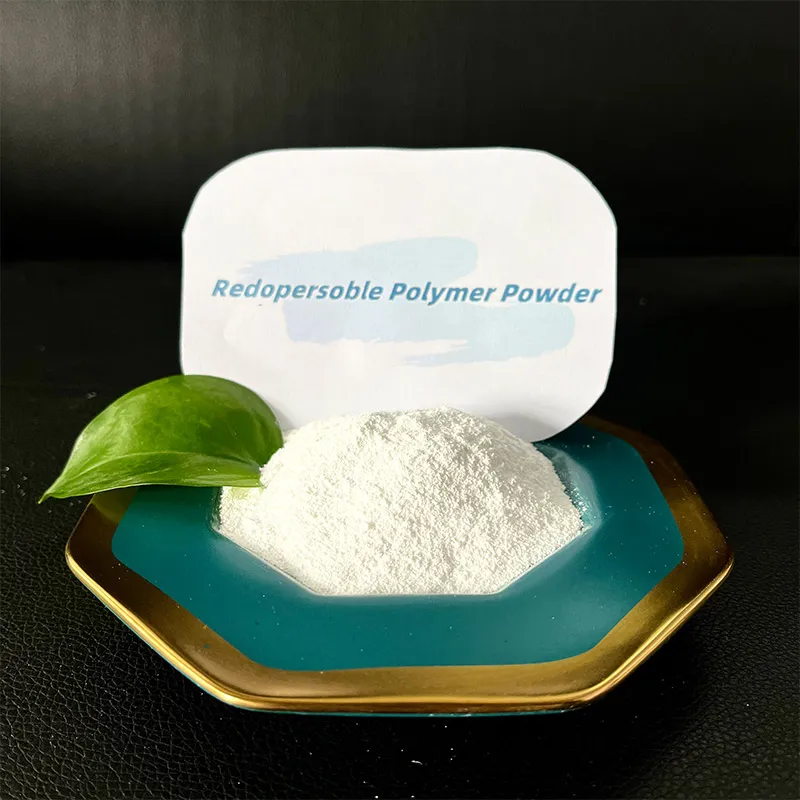
The Importance of Wood Cellulose in Modern Applications Wood cellulose, an organic compound derived from the cell walls of trees and plants, has garnered increasing attention in various industries due to its unique properties and versatility. As one of the most abundant biopolymers on Earth, it plays a crucial role in both natural ecosystems and human applications. This article explores the significance of wood cellulose, its production, and its various uses in modern society. What is Wood Cellulose? Wood cellulose is a long chain polymer made up of glucose units that form a linear structure. This structural arrangement gives cellulose its remarkable strength and ability to form fibers. Wood, being rich in cellulose, serves as the primary source for extracting this valuable material. The process of extracting cellulose from wood involves several steps, including debarking, chipping, cooking, and bleaching, resulting in a pure form that can be used for a multitude of applications. Industrial Applications One of the most significant uses of wood cellulose is in the paper and pulp industry. Cellulose fibers are the main component of paper products, where they contribute to the strength and texture of the final product. With a growing emphasis on sustainability, recycled paper containing wood cellulose has become increasingly popular, reducing the need for virgin wood and promoting a circular economy. . Wood Cellulose in Food and Pharmaceuticals ағаш целлюлозасы In the food industry, cellulose serves as an additive that improves the texture and stability of various products. It acts as a thickening agent, emulsifier, and dietary fiber, enhancing the nutritional profile of food items. Moreover, cellulose is a popular ingredient in low-fat and reduced-calorie products, offering mouthfeel without the additional calories. The pharmaceutical industry also benefits from wood cellulose. It is used as an excipient in many medications, where it aids in the formulation and stability of drugs. Hydroxypropyl methylcellulose (HPMC) and microcrystalline cellulose are common cellulose derivatives utilized as binding agents, ensuring that tablets maintain their integrity and dissolve appropriately in the body. Innovations in Eco-Friendly Materials In recent years, the focus on sustainability has led to innovative uses of wood cellulose in the development of eco-friendly materials. Biodegradable plastics derived from cellulose are being researched and developed to combat the growing plastic pollution problem. These materials not only showcase the potential of renewable resources but also help reduce the reliance on fossil fuels. Furthermore, advanced research is exploring the potential of wood cellulose in nanotechnology. Cellulose nanoparticles are being studied for their use in drug delivery systems, biosensors, and even as a reinforcing agent in composite materials. This research could pave the way for groundbreaking solutions in various fields, from medicine to environmental science. Conclusion Wood cellulose stands out as a remarkable biopolymer with diverse applications across multiple industries. Its abundance, sustainability, and unique properties make it an essential material in our modern world. As society continues to seek out eco-friendly alternatives, the significance of wood cellulose is only expected to grow. From traditional industries like paper and textiles to innovative applications in food and pharmaceuticals, wood cellulose represents the intersection of nature and technology, offering promising solutions for a sustainable future. Embracing its potential can lead us toward more responsible consumption and production practices, ensuring that we make the most of our natural resources while safeguarding the environment for generations to come.
-
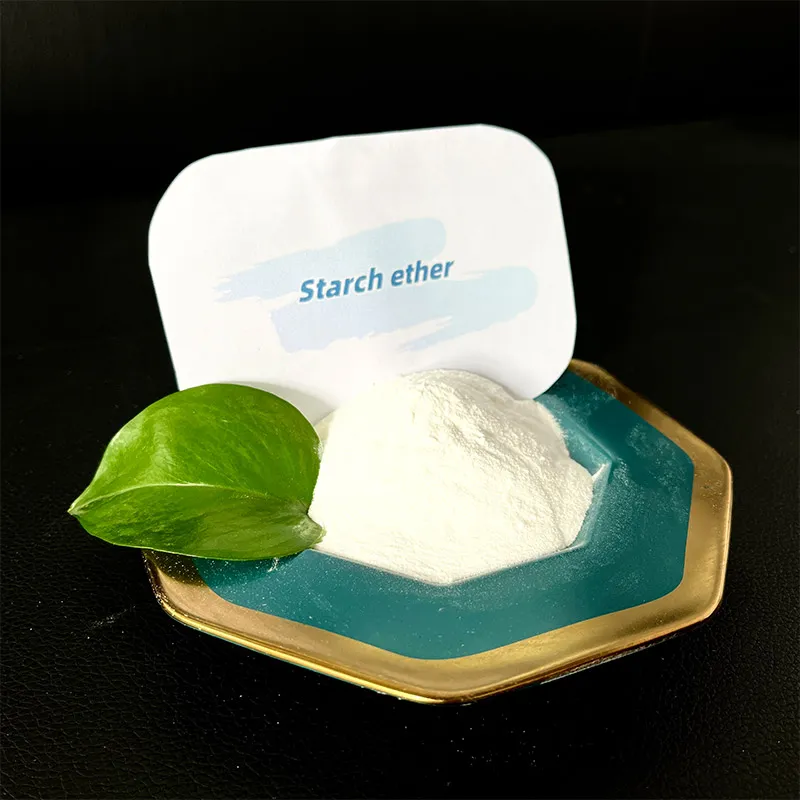
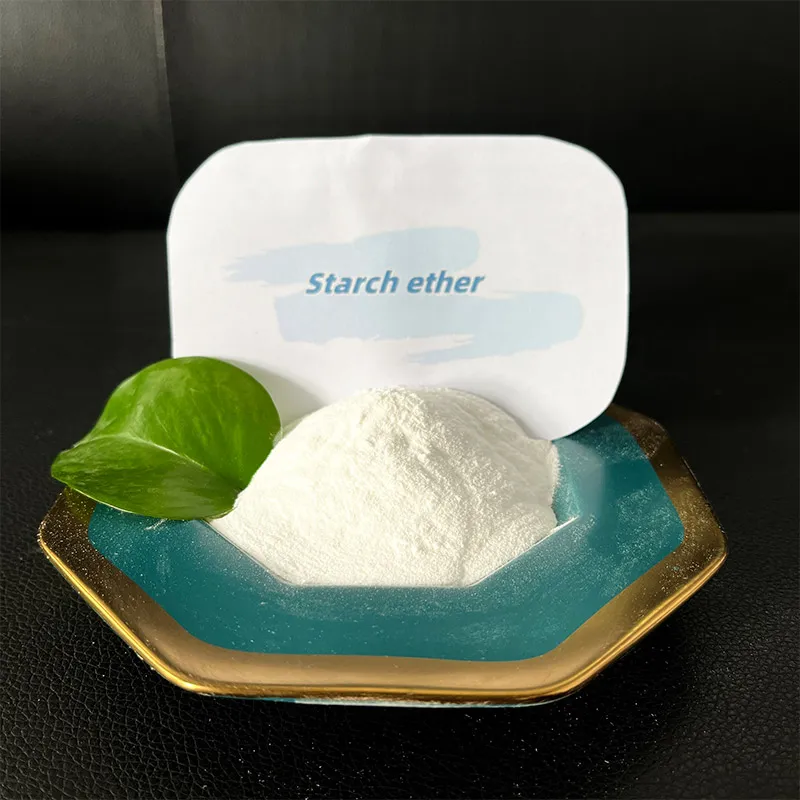
The evolution of modern construction materials has positioned starch ether as an indispensable component in high-performance mortar systems. As bulk manufacturers prioritize sustainable and efficient solutions, specialized modified starch types – particularly hydroxyethyl starch – deliver exceptional water management, enhanced workability, and environmental advantages. This article examines how industrial-scale integration of starch ether for construction transforms production economics while meeting rigorous performance standards across global markets. Fundamental Properties of Modified Starch in Mortar S tarch Starch ether for construction fundamentally alters mortar behavior through sophisticated molecular interactions. Unlike conventional additives, hydroxyethyl starch establishes hydrogen bonding networks that dramatically improve water retention capabilities – essential for complete cement hydration in demanding applications. The modified starch creates colloidal protective films that effectively regulate moisture migration without interfering with setting mechanisms. This unique characteristic ensures consistent performance across diverse cement chemistries and environmental conditions. The inherent thermal stability of specialized modified starch types maintains critical viscosity parameters even in high-temperature production environments. Bulk formulators leverage these properties to develop optimized systems where starch ether demonstrates superior adhesion in lightweight plasters. The molecular interaction between hydroxyethyl starch and inorganic fillers prevents delamination issues while providing exceptional sag resistance in vertical applications. Strategic Sourcing of Industrial-Grade Starch Ether Securing consistent starch ether for construction requires establishing technical partnerships with specialized producers. Industrial buyers prioritize botanical traceability – whether corn, potato, or tapioca-derived – to ensure predictable modification outcomes and performance consistency. Leading suppliers offer tailored etherification parameters that address regional climatic challenges, providing modified starch types engineered for specific humidity and temperature profiles. Comprehensive third-party certifications covering substitution characteristics guarantee material consistency across production batches. Progressive suppliers accommodate container-scale quantities of hydroxyethyl starch with specialized moisture-resistant packaging – critical for maintaining performance integrity in tropical distribution chains. Consolidated procurement of the modified starch across multiple product categories enables significant economies of scale while simplifying quality assurance protocols. Technical validation documents demonstrating starch ether for construction performance in sustainable formulations further assist bulk buyers in navigating evolving regulatory landscapes across international markets. Cross-Application Performance Synergies of Starch Ether Starch ether creates powerful formulation bridges across diverse construction material categories. Hydroxyethyl starch originally developed for tile adhesive applications demonstrates remarkable cohesion enhancement in self-leveling underlayments. Specialized modified starch types engineered for exterior render formulations significantly improve workability characteristics in spray-applied mortars. When incorporated into repair compounds, starch ether for construction effectively reduces material rebound during machine application processes. Bulk manufacturers achieve substantial raw material optimization by standardizing the modified starch across their entire product portfolio. Documented implementations reveal how hydroxyethyl starch successfully replaces synthetic additives in specific formulations while maintaining structural integrity – particularly advantageous in markets prioritizing cost efficiency without performance compromise. Economic Transformation Through Starch E ther Integration Strategic implementation of starch ether for construction delivers transformative production economics. Modified starch types present significant cost advantages compared to alternative additives with similar functional profiles. The exceptional water management capabilities of hydroxyethyl starch enable formulation water reduction, generating substantial savings in raw material transportation. Simplified dispersion characteristics of starch ether significantly decrease energy consumption during industrial mixing operations. Bulk procurement specialists negotiate advantageous pricing structures for large-scale the modified starch acquisitions, with progressive suppliers offering application-specific modified starch types that reduce required dosage rates while maintaining performance benchmarks. The inherent biodegradability profile of hydroxyethyl starch additionally reduces environmental compliance burdens and waste management costs. FAQs: Industrial Application of Starch Ether How does starch ether enhance mortar workability compared to alternatives? Starch ether develops distinctive rheological properties that deliver superior troweling characteristics while maintaining essential anti-sag performance, making hydroxyethyl starch particularly valuable for vertical applications. What procurement scales are available for industrial starch ether? Standard modified starch types typically feature container-scale procurement options, with flexible customization possibilities for specialized starch ether for construction variants. Can hydroxyethyl starch substitute traditional additives in tile applications? Hydroxyethyl starch demonstrates comparable water retention performance at significant substitution levels in starch ether -modified thin-set mortars, with enhanced open time in challenging climates. How does the modified starch influence mortar curing dynamics? Properly engineered the modified starch extends critical working windows without delaying final set characteristics, as advanced modification processes prevent sugar interference with hydration chemistry. Which certifications ensure starch ether performance consistency? Internationally recognized testing protocols for substitution characteristics, purity parameters, and viscosity stability guarantee starch ether for construction performance integrity across production batches.
advantages
-

200000 Viscosities
Excellent product
We can produce pure products up to 200,000 viscosities
-

40000 tons
High yield
We don’t stop production all year round, and the annual output can reach 40,000 tons
-

24 hours
Quality service
We provide 24-hours online reception service, welcome to consult at any time
———— Inquiry Form
Schedule A services
-
 fiber_polypropen_kwa_ajili_ya_kuuza
Oct . 25, 2025
Different Types of Synthetic Fibers Synthetic fibers have revolutionized the textile industry since -
 raw_material_of_synthetic_fibre
Oct . 25, 2025
The unique behavior of starch ether in construction chemistry stems from deliberate modifications to -
 hydroxypropyl_methylcellulose_eye_drops_price
Oct . 25, 2025
Understanding the viscosity of HPMC E5, or Hydroxypropyl Methylcellulose E5, is crucial for industri


